

 Book
Book Call
Call
Does Your Home Have Poly-B Pipes? A BC Homeowner’s Guide

If your home was built between the late 1970s and the mid-1990s, there’s a strong chance it may still have Poly-B, also known as polybutylene, in the plumbing system. This material was once a common low-cost option, but today it has become a concern for many homeowners across the BC Islands and nearby communities such as Victoria, Nanaimo, Duncan, Parksville, Lantzville, and Ladysmith.
Poly-B is no longer just a plumbing topic. For many homeowners, it is also tied to insurance, resale value, and the risk of unexpected water damage.
A lot of people don’t discover Poly-B until they have a leak, receive questions from their insurer, or get a home inspection report that flags the piping. By that point, the issue can become expensive quickly. In this article, we’ll break down what Poly-B is, why insurers pay attention to it, and what homeowners can do to stay protected.
What Is Poly-B Plumbing?
Poly-B is a grey, flexible plastic pipe that was widely installed in Canadian homes from roughly 1978 to 1995. It became popular because it was cheaper and easier to install than copper, making it an appealing choice during that period.
The problem is that time has not been kind to this material. After years of exposure, especially to chlorinated municipal water, Poly-B can become brittle, weaken, and fail without much warning. What once seemed like a practical solution is now often viewed as a liability.
Why Homeowners Worry About It
One of the biggest issues with Poly-B is that problems are often hidden. A pipe can look fine from the outside while deteriorating internally. Then, without much notice, it may burst or start leaking behind a wall, under a floor, or inside a ceiling cavity.
That kind of hidden leak can lead to costly damage, including:
- Wet drywall.
- Damaged flooring.
- Mold growth.
- Structural repairs.
- Insurance claims.
- Temporary displacement during repairs.
In many cases, the cost of repairing the damage far exceeds the cost of replacing the plumbing before a failure happens.
How Poly-B Can Affect Insurance in BC
Many insurance providers in British Columbia now view Poly-B as a higher-risk plumbing material because of its long history of leak-related claims.
Depending on the insurer, Poly-B may lead to:
- Higher premiums.
- Larger water damage deductibles.
- Limited coverage for water losses.
- Requests for plumbing inspections.
- A requirement to replace the piping before renewal.
Insurance rules are not the same across all providers, so it’s important to check directly with your insurer or broker to understand how your policy handles Poly-B.
Can You Still Insure a Home With Poly-B?
Yes, in many cases you can, but the terms may be less favorable.
Some insurers will still cover homes with Poly-B, while others may impose conditions such as:
- Higher monthly or annual premiums.
- Increased deductibles for water damage.
- Requests for plumbing condition reports.
- Deadlines for replacing the piping.
Because underwriting standards vary, homeowners should not assume their current policy will stay the same if Poly-B is present. A conversation with your broker can prevent surprises later.
How to Tell If Your Home May Have It
The age of the home is usually the first clue. Poly-B is most commonly found in homes built during the 1978 to 1995 period, including many properties in Victoria, Nanaimo, Duncan, Parksville, Coquitlam, and Burnaby.
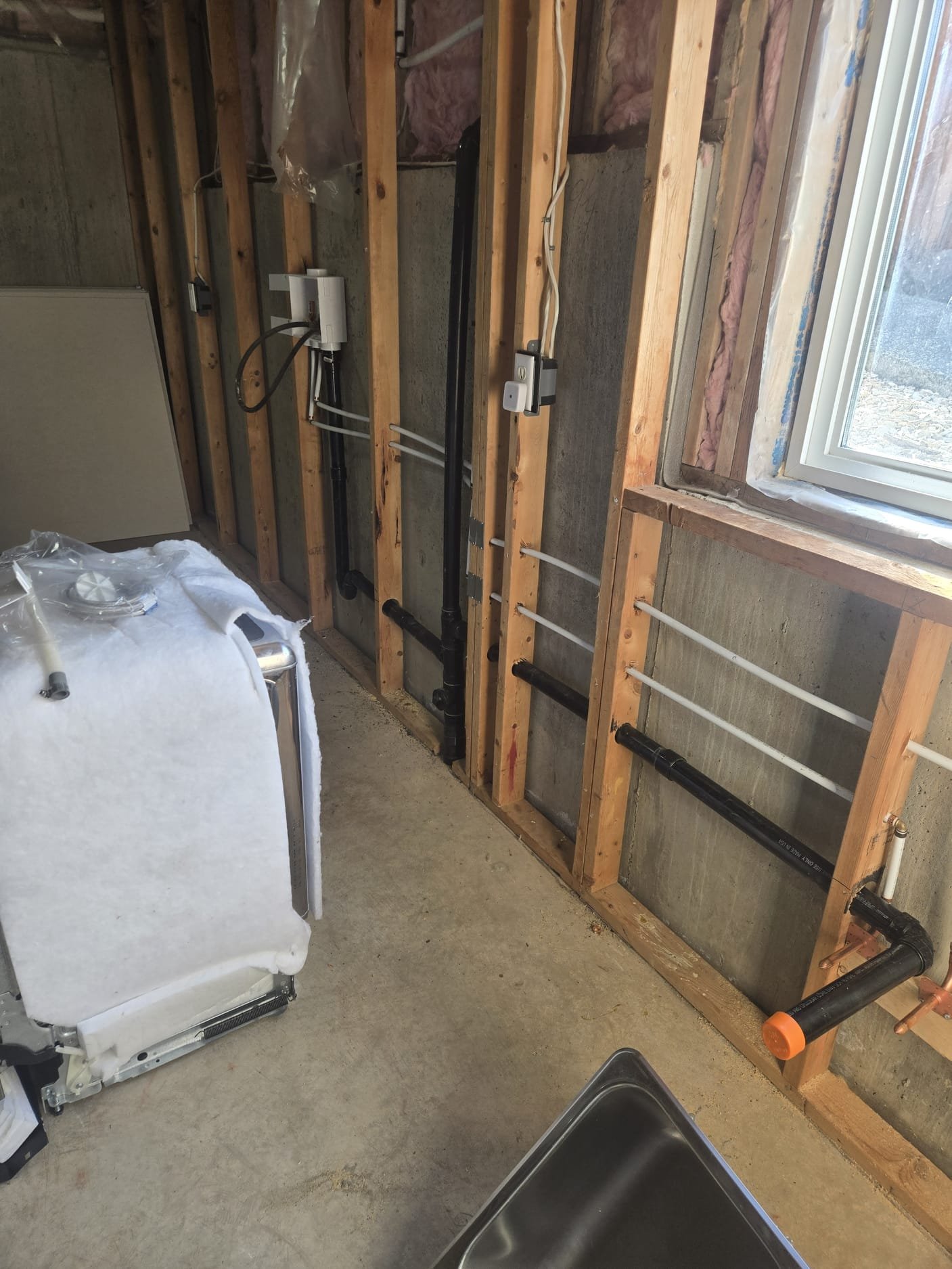
You may be able to spot it in areas such as:
- Near the hot water tank.
- Around the main shut-off valve.
- Under sinks.
- In unfinished basements.
- In utility or mechanical rooms.
Typical signs of Poly-B include:
- Grey colouring.
- A flexible feel.
- Pipe sizes often around ½ inch or ¾ inch.
Since much of the plumbing is concealed behind walls, the most reliable way to confirm it is to have a licensed plumber inspect the home.
Should It Be Replaced?
Although some Poly-B systems continue to function for years, replacement is usually the safest long-term approach.
Homeowners often choose to repipe because it can:
- Lower the chance of surprise leaks.
- Help protect the home from major water damage.
- Improve resale appeal.
- Make future inspections easier.
- Support better insurance options.
For many families, proactive replacement is better than waiting for an emergency.
What a Replacement Project Involves
A professional Poly-B replacement typically includes:
- Reviewing the current plumbing layout.
- Planning the best replacement approach.
- Installing new piping, often PEX or copper.
- Testing the system for leaks and performance.
- Opening and repairing access points as needed.
- Completing a final check of the work.
The timeline depends on the size and layout of the home, but many repiping projects are finished in just a few days.
Is It Worth the Cost?
Replacing Poly-B is a meaningful investment, and the cost varies depending on the size of the home and the complexity of the work. In many cases, homeowners can expect a typical range of about $6,000 to $18,000.
Even so, many people consider it money well spent because it helps reduce the chance of far more expensive water damage later.
Common benefits include:
- Greater peace of mind.
- Less risk of emergency plumbing failure.
- Better property value.
- Easier home sales.
- Stronger long-term insurability.
If you expect to stay in your home for years, replacing Poly-B can be a smart way to protect one of your biggest investments.
Why Choose The Super Plumber?
At The Super Plumber, we help homeowners across British Columbia identify and replace aging Poly-B plumbing with modern, dependable materials.
From inspection to installation, our focus is on quality workmanship, clear communication, and practical solutions that protect your home for the long run. If you’re unsure whether your home contains Poly-B or your insurer has raised concerns, we can help you understand your next steps.
Book a Poly-B Inspection
If your home was built between 1978 and 1995, now is a good time to find out whether Poly-B is still in your plumbing system.
A professional inspection can help you understand the condition of the pipes, reduce the risk of future leaks, and prepare for any insurance-related questions.
Contact The Super Plumber today to schedule a Poly-B inspection or learn more about repiping options. Protect your home, your investment, and your peace of mind with professional plumbing support.