

 Book
Book Call
Call
What Causes Drain Backups in Spring? Repair vs Replacement Guide

Understanding the Difference Between Drain Repair, Replacement, and Relining
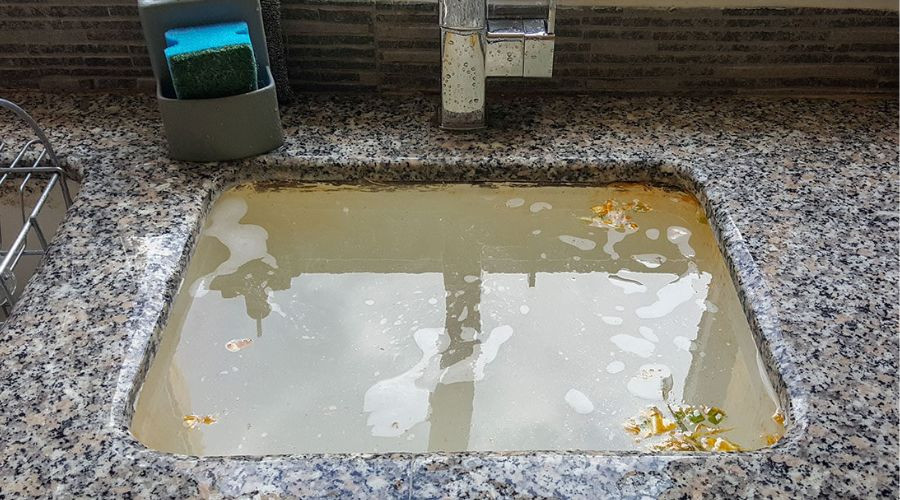
Drain backups are one of the most frustrating plumbing problems homeowners can experience. When sinks, floor drains, or basement drains begin backing up repeatedly (especially during the spring) it often signals a deeper issue within the home’s drainage system. While occasional clogs can occur in any plumbing system, recurring drain backups usually indicate structural or environmental issues affecting the main drain or sewer line.
Spring is a particularly common time for homeowners to notice drainage problems. Seasonal changes, melting snow, increased rainfall, and shifting soil conditions can all put extra pressure on underground plumbing systems. As a result, existing weaknesses in drain lines may begin to show.
Understanding why drain backups happen during spring and knowing the available solutions—such as drain repair, drain replacement, or drain relining—can help homeowners make informed decisions when dealing with persistent drainage problems.
For homeowners across Canada—including regions like coastal climates, urban centers, and areas with freeze-thaw cycles—seasonal environmental changes can significantly impact underground plumbing infrastructure.
Why Drain Backups Are More Common in Spring
Many homeowners notice that their drains function normally throughout the winter, only to begin backing up once temperatures start to rise. This seasonal pattern is common because several environmental factors place additional stress on residential drain and sewer systems during the spring months.
These factors can expose hidden damage or weaknesses in aging pipes.
Increased Groundwater Levels
Spring typically brings snowmelt and seasonal rainfall. As water accumulates in the ground, surrounding soil becomes saturated, increasing groundwater pressure around underground drain pipes.
When groundwater levels rise, this added pressure can expose weaknesses in aging or damaged drain lines. Cracks, misaligned joints, or partially collapsed pipes may allow groundwater to enter the drainage system. This intrusion can slow water flow and increase the likelihood of backups inside the home.
Homes located in areas with clay-heavy soil or aging municipal infrastructure may be particularly vulnerable to these issues.
Tree Root Growth

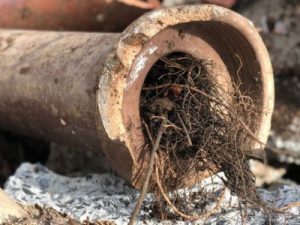
Tree root intrusion is one of the most common causes of recurring drain backups.
Tree roots naturally seek out sources of moisture underground, and sewer lines often provide a consistent source of water and nutrients. Even small cracks or joints in drain pipes can allow tiny roots to enter the system.
Once inside the pipe, these roots continue growing and expanding. Over time they can form dense root masses that restrict or completely block wastewater flow.
During spring, root systems become more active as trees enter their seasonal growth cycle. This increased growth can quickly worsen existing root intrusions and lead to recurring drain blockages.
Soil Shifting and Pipe Movement
Seasonal freeze-thaw cycles can also affect underground plumbing systems.
During winter, the ground freezes and expands. When temperatures rise in spring, the soil thaws and contracts again. This cycle of expansion and contraction can cause soil movement around underground drain pipes.
Over time, this shifting soil may lead to:
- Pipe misalignment
- Cracked pipe joints
- Sagging sections of pipe (known as pipe bellies)
- Partial pipe collapse
Even minor changes in pipe alignment can slow water flow and allow debris to accumulate inside the pipe.
Accumulated Debris From Winter Use
Drain lines often accumulate debris throughout the winter months.
Household materials such as grease, soap residue, hair, food waste, and mineral buildup can gradually collect along pipe walls. During colder weather, grease and fats tend to solidify faster inside plumbing systems, allowing buildup to form more easily.
As temperatures rise in spring and water usage increases, these deposits can loosen or shift inside the pipes. This may create narrow flow passages that restrict water movement and contribute to repeated clogs or slow drains.
Signs of a Larger Drain or Sewer Line Problem
While a single clog can often be cleared easily, recurring backups often indicate a larger issue within the main drain line or sewer pipe.
Homeowners may notice warning signs such as:
- Multiple drains backing up simultaneously
- Persistent slow drainage in sinks, tubs, or showers
- Gurgling noises coming from drains or toilets
- Water backing up through basement floor drains
- Strong sewer odors inside the home
When these symptoms occur repeatedly, the underlying problem may require more advanced plumbing solutions beyond a basic drain cleaning.
At this stage, homeowners may need to consider options such as drain repair, full drain replacement, or pipe relining.
What Is Drain Repair?

Drain repair refers to targeted fixes that address a specific problem within a pipe without replacing the entire drainage system.
Repairs are typically recommended when the damage is localized and the rest of the pipe structure remains in good condition.
Common Drain Repair Methods
Drain repair can involve several techniques depending on the type of damage present.
Pipe Joint Repairs
Over time, joints connecting pipe sections can loosen or separate. Repairing these joints helps restore alignment and prevent groundwater from entering the pipe.
Crack Sealing
Small cracks within pipes can sometimes be sealed to prevent leaks and reduce the risk of root intrusion.
Root Removal
Specialized mechanical tools or hydro jetting equipment can remove tree roots from inside drain lines. However, if the pipe itself remains damaged, roots may eventually return.
Spot Pipe Replacement
If only a small portion of the pipe has deteriorated or collapsed, plumbers may excavate and replace just that section.
Drain repair is often effective for smaller localized problems, but it may not provide a long-term solution if the entire pipe system is aging or deteriorating.
When Drain Replacement Is Necessary
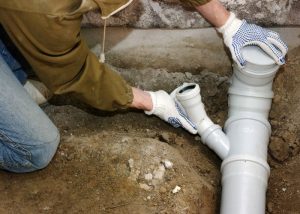
In some cases, pipes are too damaged for repairs to be effective. Drain replacement involves removing the existing pipe and installing new piping materials.
Although this is typically a larger project, replacement may be necessary when the pipe system has reached the end of its functional lifespan.
Situations That May Require Drain Replacement
Full drain replacement may be recommended when:
- Pipes have collapsed or severely cracked
- Tree root intrusion is widespread throughout the pipe
- Pipes are made from outdated materials such as clay or Orangeburg
- The pipe has multiple sagging sections or structural failures
- Repeated repairs have not resolved the issue
Many older homes across Canadian cities still have clay, cast iron, or fiber-based sewer pipes that can deteriorate after decades of use.
Replacing these pipes can restore full drainage capacity and eliminate recurring backups.
What Is Drain Relining?
Drain relining—sometimes called trenchless pipe relining—is a modern pipe restoration method that repairs damaged pipes internally without full excavation.
Instead of removing the existing pipe, a flexible liner coated with specialized epoxy resin is inserted into the pipe and cured in place. This process creates a durable new pipe lining inside the existing pipe.
How Drain Relining Works
The pipe relining process generally includes several stages:
- Video camera inspection of the drain line
- Thorough cleaning of the existing pipe interior
- Insertion of a resin-coated liner
- Inflation of the liner so it conforms to the pipe shape
- Curing of the liner to form a hardened interior pipe surface
Once the resin cures, the liner creates a smooth and durable internal pipe surface that restores proper water flow.
Advantages of Drain Relining
Drain relining has become increasingly popular because it offers several advantages compared with traditional excavation-based pipe replacement.
Minimal Excavation
Because the liner is installed inside the existing pipe, relining usually requires little or no digging. This helps prevent damage to landscaping, driveways, patios, and sidewalks.
Faster Installation
Many relining projects can be completed faster than full drain replacement.
Improved Flow Performance
The smooth inner lining reduces friction, helping wastewater move through the pipe more efficiently.
Structural Reinforcement
The hardened liner strengthens the existing pipe structure and helps prevent future root intrusion or leaks.
However, relining may not be suitable if pipes are severely collapsed or completely separated.
How Plumbers Determine the Best Drain Solution
Choosing between drain repair, replacement, or relining depends on the overall condition of the drain system.
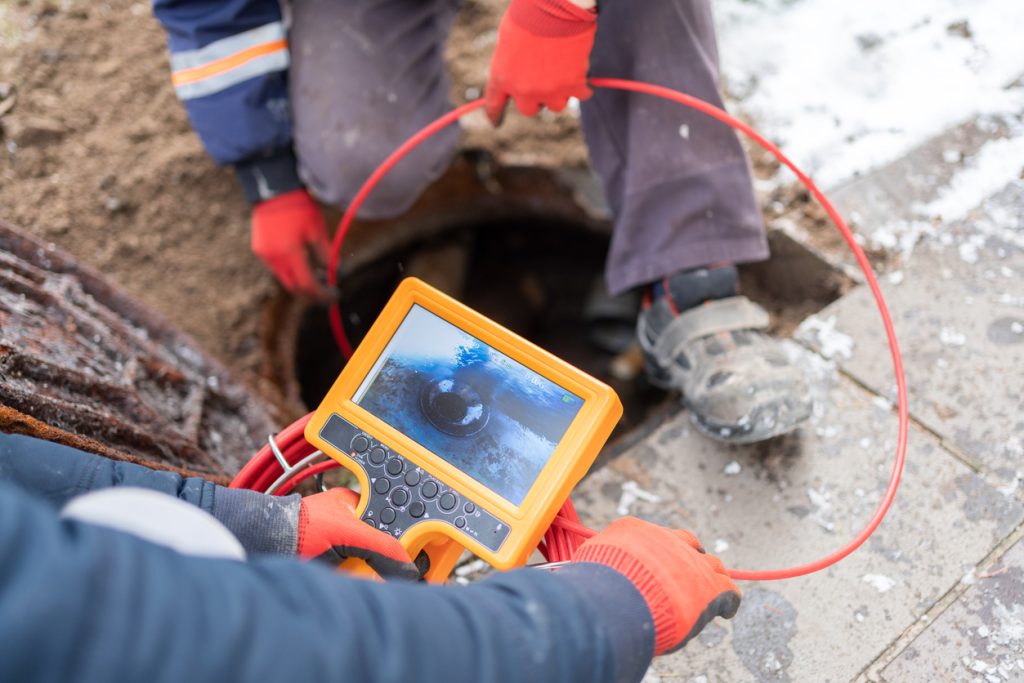
The most common diagnostic method used by plumbers is a drain camera inspection.
During this process, a waterproof camera is inserted into the pipe to capture live video footage of the pipe interior. This allows plumbers to identify problems such as:
- Cracks or pipe deterioration
- Tree root intrusions
- Blockages or debris buildup
- Pipe misalignment
- Collapsed pipe sections
The inspection results help determine which repair method will provide the most effective and long-lasting solution.
Preventing Recurring Drain Backups
Although some plumbing issues are unavoidable due to aging infrastructure or environmental conditions, homeowners can take several preventative steps to reduce the risk of recurring drain backups.
Preventative measures include:
- Avoid pouring grease or cooking oils down drains
- Install drain strainers to catch hair and debris
- Schedule periodic professional drain inspections
- Monitor tree growth near underground sewer lines
- Address slow-draining fixtures before problems worsen
Routine maintenance and early detection can help prevent small drainage problems from developing into major plumbing repairs.
Final Thoughts
Recurring drain backups in spring often indicate underlying problems within a home’s drainage system. Seasonal factors such as rising groundwater levels, active tree root growth, and shifting soil conditions can place additional stress on aging drain pipes.
When these problems occur, homeowners may need to explore several possible solutions, including targeted drain repairs, full pipe replacement, or trenchless drain relining technologies (available at participating locations).
Understanding the differences between these options allows homeowners to better evaluate the condition of their plumbing systems and determine the most effective way to restore proper drainage.
Addressing recurring drain issues early can help prevent more extensive plumbing damage while ensuring that a home’s drainage system continues to function reliably throughout the year.
Looking For Drain & Sewer Services? Call The Super Plumber!
At The Super Plumber, our team of licensed sewer and drain specialists are ready to spring into action in cities across Canada including Victoria, Vancouver, Toronto, Hamilton, Ottawa, Guelph, St. Catharines, Winnipeg and more. With over 1000 5 star customer reviews, you can trust The Super Plumber to provide honest, expert advice, up front pricing and 24/7 services. Whether you require an urgent repair, replacement, or are just looking for a checkup after the winter, contact the plumbing super heroes at The Super Plumber to save the day!