

 Book
Book Call
Call
What a Drain and Sewer Line Camera Inspection Can Reveal
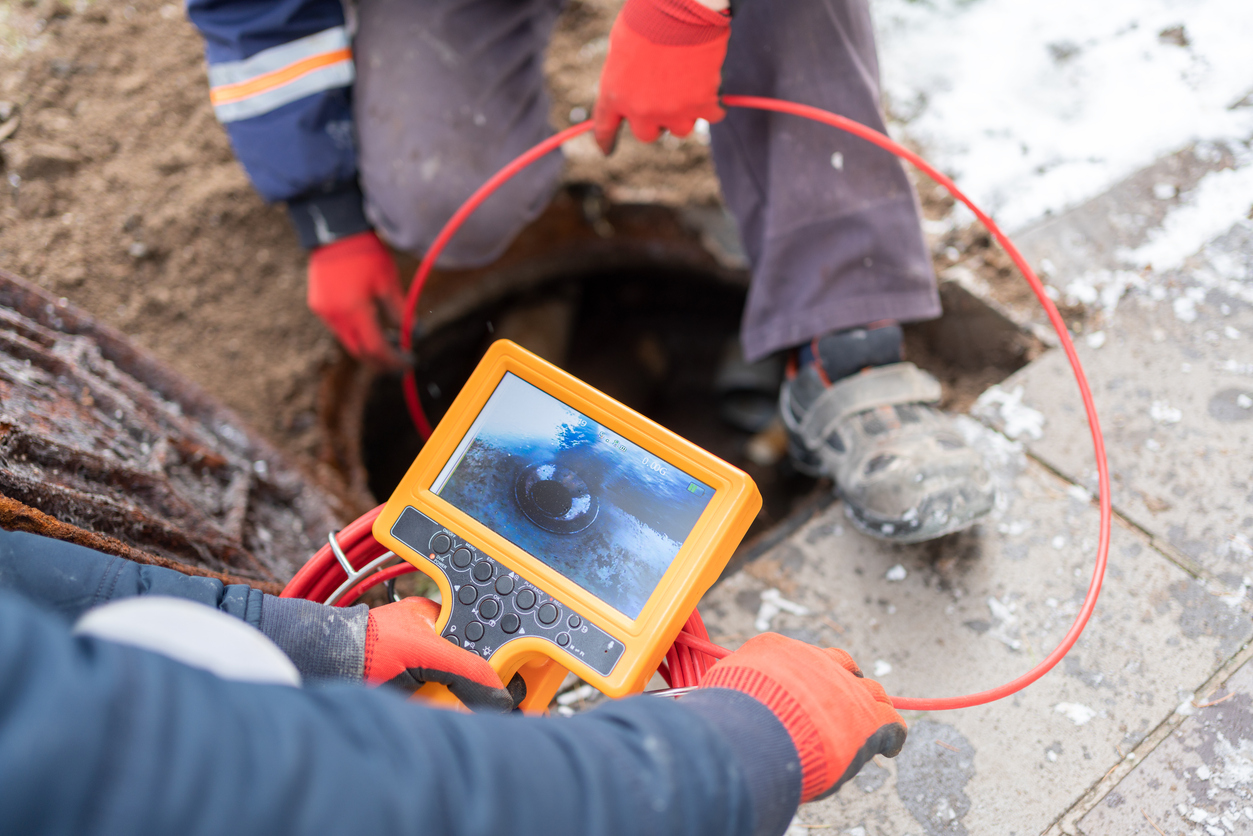

A drain and sewer line camera inspection can reveal hidden issues inside your home’s plumbing lines including blockages, pipe damage, root intrusion, corrosion, and improper installation. By providing a live video view of the pipe interior, camera inspections help identify the exact cause and location of drainage problems without excavation.
What Is a Drain and Sewer Line Camera Inspection?
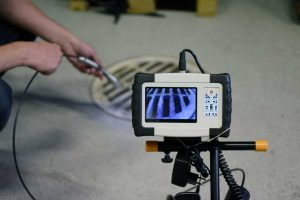
A drain and sewer line camera inspection is a non-invasive diagnostic method used to examine the inside of plumbing pipes. A small, waterproof video camera is attached to a flexible cable and fed through drain or sewer lines, transmitting real-time footage to a monitor.
This process allows plumbers to visually assess:
- Pipe condition and alignment
- Blockages or obstructions
- Structural damage
- Flow behaviour within the line
Camera inspections are commonly used for residential sewer lines, branch drains, and underground pipes that cannot be accessed directly.
Why Camera Inspections Are Used in Modern Plumbing
Many plumbing issues produce similar symptoms, such as slow drains or recurring clogs. Without visual confirmation, diagnosing the root cause can be difficult.
Camera inspections are used because they:
- Remove guesswork from diagnosis
- Identify problems at their exact location
- Reduce unnecessary digging or pipe removal
- Provide documentation of pipe condition
This approach supports accurate troubleshooting and more effective long-term solutions.
Why Sewer Video Inspections Are a Smart Preventative Investment
A sewer video camera inspection is often one of the most cost-effective preventative steps a homeowner can take. Because drain and sewer lines are hidden underground or behind structural surfaces, problems can develop unnoticed for months or even years. A camera inspection allows plumbers to visually assess the inside of the pipe, revealing hidden issues such as blockages, root intrusion, cracked or deteriorating pipes, and debris buildup. Catching these concerns early makes it possible to address them before they worsen and require extensive repairs.
When left unaddressed, small sewer issues can quickly turn into major and expensive problems. Partial blockages or damaged pipe sections can restrict flow, increasing the risk of drain backups and basement flooding. These situations often lead to costly water damage, cleanup, and potential health risks. By identifying problem areas in advance, sewer video inspections help homeowners avoid unexpected emergencies and support timely, targeted solutions that reduce long-term repair costs.
What a Camera Inspection Can Reveal Inside Drain and Sewer Lines
1. Partial or Complete Blockages
Blockages are one of the most common findings during camera inspections. Over time, materials accumulate inside pipes and restrict water flow.
Common blockage sources include:
- Grease, fats, and oils
- Soap scum and residue
- Hair and hygiene products
- Food particles
- Mineral scale from hard water
Camera footage shows both the size and location of the blockage, helping distinguish between surface buildup and deeper obstructions.
2. Tree Root Intrusion
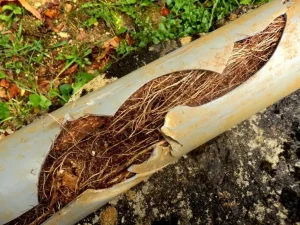
Tree roots seek moisture and can enter sewer lines through small cracks or loose joints. Once inside, they expand and trap debris.
Camera inspections can reveal:
- Fine root strands entering joints
- Dense root masses blocking flow
- Areas where roots have displaced pipe sections
Root intrusion is a common cause of recurring sewer backups in older systems.
3. Cracked, Broken, or Collapsed Pipes
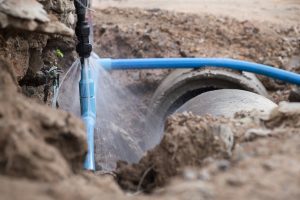
Pipes may crack or collapse due to age, shifting soil, freeze-thaw cycles, or external pressure.
A camera inspection can identify:
- Hairline cracks along pipe walls
- Long fractures
- Collapsed or crushed sections
- Pipe segments that have fully failed
Early detection helps prevent sewage leaks and extensive property damage.
4. Corrosion and Pipe Deterioration
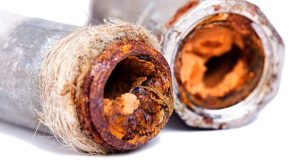
Older pipe materials can corrode internally over time, reducing flow capacity and weakening the pipe structure.
Camera inspections may show:
- Rust buildup
- Flaking metal
- Pitted pipe surfaces
This information is valuable when assessing whether pipes are nearing the end of their usable lifespan.
5. Bellies and Sagging Sewer Lines
A pipe belly occurs when a section of sewer line sinks, creating a low point where water and waste collect.
Camera footage can reveal:
- Standing water inside the pipe
- Sludge accumulation
- Slow or uneven flow
Pipe bellies often cause repeated clogs that standard drain cleaning cannot resolve.
6. Misaligned or Offset Pipe Joints
Ground movement, aging materials, or improper installation can cause pipe joints to shift out of alignment.
Camera inspections can detect:
- Offset joints
- Separated pipe connections
- Protruding edges that catch debris
These defects often worsen over time if left unaddressed.
7. Foreign Objects Inside Drain Lines
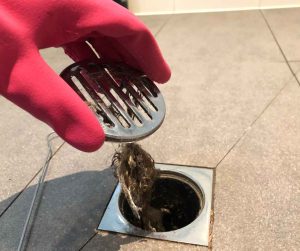
Items not intended for flushing can become lodged inside pipes.
Examples include:
- “Flushable” wipes
- Paper towels
- Toys or small objects
- Construction debris
Camera inspections help locate foreign objects without dismantling plumbing fixtures or excavating pipes.
How Camera Inspections Help With Recurring Drain Issues
When drains clog repeatedly, the issue is often structural rather than surface-level.
Camera inspections help determine whether recurring problems are caused by:
- Root growth
- Pipe damage
- Improper slope
- Internal corrosion
Identifying these factors allows for more permanent solutions instead of repeated temporary fixes.
Camera Inspections and Sewer Backups
Sewer backups are often caused by severe blockages or structural failure in the main line.
A camera inspection can reveal:
- Full line obstructions
- Collapsed pipe sections
- Extensive root infiltration
Knowing the exact cause reduces uncertainty and supports targeted remediation.
Using Camera Inspections for Property and Real Estate Evaluations
Camera inspections are increasingly used during real estate transactions to assess sewer line condition.
They can uncover:
- Hidden damage in underground pipes
- Previous repairs or patchwork
- Signs of long-term deterioration
This information helps buyers and owners understand potential future maintenance needs.
Evaluating Older Plumbing Systems
Older homes often contain pipe materials more prone to deterioration.
Camera inspections help:
- Identify aging materials
- Monitor progressive damage
- Plan upgrades before failure occurs
This proactive insight supports long-term plumbing planning.
Identifying Installation and Code-Related Issues
Improper installation can cause drainage problems even in newer systems.
Camera inspections may reveal:
- Incorrect pipe slope
- Poor joint connections
- Incompatible materials
Visual confirmation helps explain chronic drainage issues that may otherwise be difficult to diagnose.
How Camera Inspections Support Precise Repairs
One of the main advantages of camera inspections is accuracy.
By pinpointing problem areas, camera inspections:
- Reduce unnecessary excavation
- Limit property disruption
- Support focused repair strategies
This precision improves repair efficiency and long-term results.
Limitations of Camera Inspections
While camera inspections provide valuable insight, they do not reveal everything.
Limitations include:
- Inability to measure pipe wall thickness
- Limited visibility in fully collapsed lines
- No direct assessment of external soil conditions
Additional diagnostic tools may be required in complex cases.
When a Drain or Sewer Camera Inspection Is Most Useful
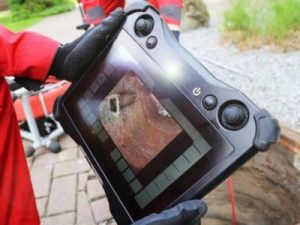
Camera inspections are particularly helpful when:
- Drains clog repeatedly
- Sewer odours persist
- Backups occur without obvious cause
- Pipes are aging or underground
- Planning renovations or home purchases
They offer clarity when symptoms alone are inconclusive.
Frequently Asked Questions
Is a sewer camera inspection accurate?
Yes. Camera inspections provide real-time visual confirmation of pipe conditions, making them one of the most reliable diagnostic tools in plumbing.
Can a camera inspection detect small cracks?
In many cases, yes. Hairline cracks and joint separations are often visible on camera footage.
Does a camera inspection require digging?
No. Camera inspections are non-invasive and access pipes through existing openings.
Can camera inspections prevent future plumbing problems?
They help identify developing issues early, which can reduce the risk of major failures if addressed in time.
Key Takeaway
A drain and sewer line camera inspection reveals hidden plumbing issues that cannot be identified through symptoms alone. From blockages and root intrusion to pipe damage and improper installation, camera inspections provide clear visual evidence of what is happening inside plumbing lines.
By improving diagnostic accuracy and supporting targeted repairs, camera inspections help homeowners better understand their plumbing systems and make informed decisions about maintenance and long-term care.
Looking to Book a Sewer or Drain Video Inspection? Call The Super Plumber!
At The Super Plumber, our team of licensed sewer and drain specialists are ready to spring into action in cities across Canada including Victoria, Vancouver, Toronto, Hamilton, Ottawa, Guelph, St. Catharines, Winnipeg and more. With over 1000 5 star customer reviews, you can trust The Super Plumber to provide honest, expert advice, up front pricing and 24/7 services. Whether you require an urgent repair, replacement, or are just looking for a checkup after the winter, contact the plumbing super heroes at The Super Plumber to save the day!