

 Book
Book Call
Call
Top 5 Winter Plumbing Problems in Canada (And How to Avoid Them)


Canadian winters are beautiful, but they’re also unpredictable, harsh, and tough on home plumbing systems. Whether you’re near the coast in Victoria or Nanaimo, dealing with constant freeze–thaw cycles in Toronto, Ottawa, St. Catharines, or Hamilton, or facing long, deep freezes in Winnipeg, winter conditions can push plumbing systems to their limits. Sub zero temperatures, sudden cold snaps, aging infrastructure, and increased indoor water use, all combine to create seasonal plumbing challenges that many homeowners don’t anticipate until it’s too late.
Below are the top five winter plumbing problems experienced across Canada, along with clear, practical steps homeowners can take to prevent costly damage. These recommendations apply to both older homes and newer builds, and are especially important for properties with drafty basements, uninsulated plumbing, or older fixtures and water heaters.
1. Frozen Pipes
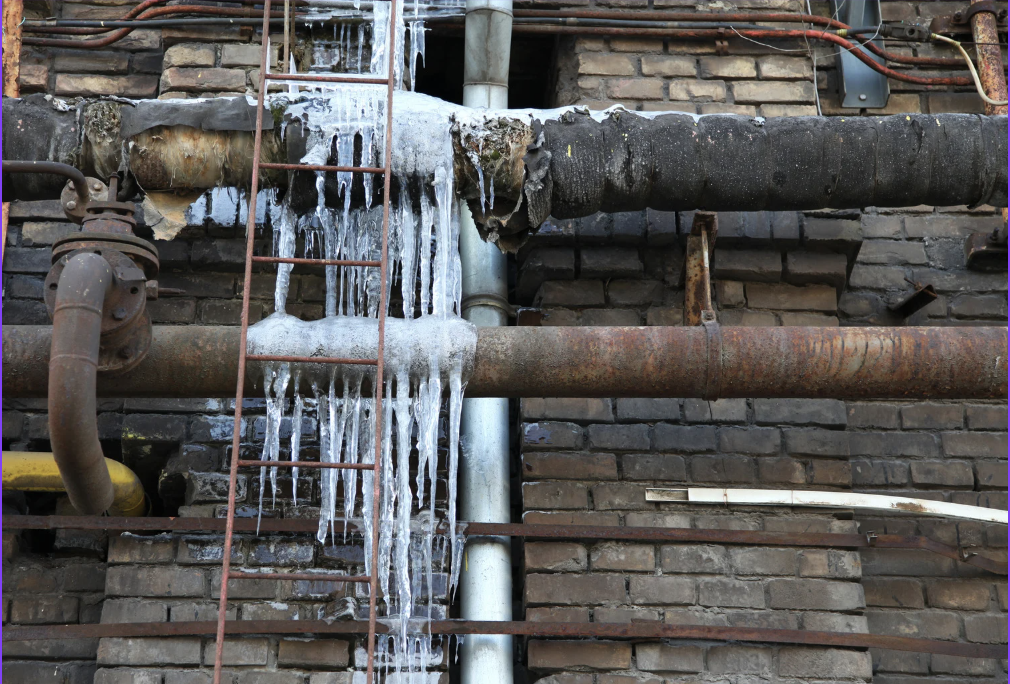
Frozen pipes are arguably the most common, and potentially the most damaging, winter plumbing issue. When water inside the pipes freezes, it expands, increasing pressure inside the pipe walls. Even a small amount of ice can cause pipes to split or burst. When the ice melts, homeowners may discover extensive water damage, flooding, or mold growth.
Why Frozen Pipes Are So Common in Canada
Canadian homes face unique exposure risks:
- Cold snaps in Winnipeg, Ottawa, and rural Ontario can cause temperatures to drop suddenly.
- Wind chill can cool exterior walls faster than expected.
- Unfinished basements, crawlspaces, and garages often lack insulation.
- Older homes in St. Catharines, Hamilton, and Toronto may have outdated or poorly insulated plumbing.
How to Avoid It
- Insulate exposed pipes using foam sleeves or heat tape, especially in unheated areas like crawlspaces, attics, and basements.
- Seal drafts around exterior doors, windows, and wall penetrations to reduce cold air exposure.
- Keep indoor temperatures steady, even if you’re away for a few days. Do not let your thermostat drop too low overnight.
- Let taps drip during extreme weather, particularly in areas that experience severe cold snaps like Winnipeg or Ottawa. This keeps water moving and reduces the risk of freezing.
- Open cabinet doors under sinks located on exterior walls to allow warm air to circulate around the pipes.
Prevention takes far less time, and far less money, than repairing water damage after a burst.
2. Water Heater Strain or Failure
Winter is the season when water heaters tend to fail. Cold incoming water forces the system to work harder to maintain the set temperature. Older units or systems with heavy sediment buildup may struggle to keep up, leading to intermittent hot water, noisy operation, or complete system failure.
Why Water Heaters Struggle in Winter
- The temperature of incoming water is significantly lower, especially in areas like Winnipeg or Ottawa.
- Homeowners tend to use more hot water, longer showers, more dishes, and more laundry.
- Sediment buildup inside the tank reduces efficiency and can cause overheating.
- Older systems simply cannot handle the seasonal demand.
How to Avoid It
- Flush the water heater annually to remove sediment. This is one of the simplest ways to extend the unit’s lifespan.
- Check your temperature setting. A range of 49–54°C is generally safe and efficient.
- Inspect for warning signs such as rust-colored water, leaks, rumbling noises, or fluctuating temperatures.
- Have older systems inspected before winter hits. Units over 10 years old may be approaching the end of their lifespan.
- Consider insulation for the tank and exposed hot-water lines to reduce heat loss.
A properly maintained water heater is much more resilient through the winter months.
3. Clogged Drains
Clogged drains are a year-round problem, but winter conditions tend to make them more frequent. Fat, grease, and oil cool and harden faster as they travel through cold plumbing lines, creating blockages. Increased time spent indoors, especially during storms or long cold spells, also means more daily water use.
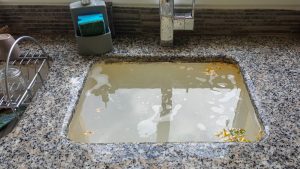
Common Winter Causes of Drain Clogs
- Holiday cooking results in more grease, oil, and food scraps entering kitchen drains.
- Cooler indoor temperatures cause oils to solidify faster in pipes.
- Hair and soap buildup worsen because indoor humidity and hot showers increase.
- Older drain lines in cities like Hamilton or St. Catharines may not be able to cope with increased volume.
How to Avoid It
- Never pour grease, fats, or oils down the drain. Let them solidify and dispose of them in the garbage.
- Use strainers in kitchen sinks, showers, and bathroom drains to catch debris.
- Run hot water when using a garbage disposal to help dissolve fats.
- Schedule preventative drain cleaning if you know your home is prone to slow drains.
- Avoid flushing wipes, even if they claim to be “flushable”, they contribute significantly to build-ups and sewer backups.
Consistent drain maintenance can prevent winter blockages that often show up at the most inconvenient times.
4. Sewer Line Backups
Sewer line issues are especially common in older Canadian neighbourhoods, particularly in Hamilton, St. Catharines, and parts of Toronto. During winter, several factors can put additional strain on these lines, leading to backups or slow drains throughout the home.
What Causes Winter Sewer Problems?
- Frozen ground creates pressure around sewer lines, especially older clay pipes.
- Tree roots from mature neighbourhoods can infiltrate sewer lines and worsen blockages.
- Heavy snowmelt can overwhelm sewer systems during mid-winter thaws.
- Aging infrastructure in many older Ontario neighbourhoods can crack or collapse.
How to Avoid It
- Only flush toilet paper. Household wipes, feminine products, and paper towels can cause blockages.
- Keep exterior drainage clear so water flows away from your home.
- Have older sewer lines professionally inspected, particularly if your home is more than 40–50 years old.
- Look for early warning signs, including gurgling toilets, foul smells, or slow drains across multiple fixtures.
- Avoid planting large trees near your sewer line if you’re planning landscaping in the spring.
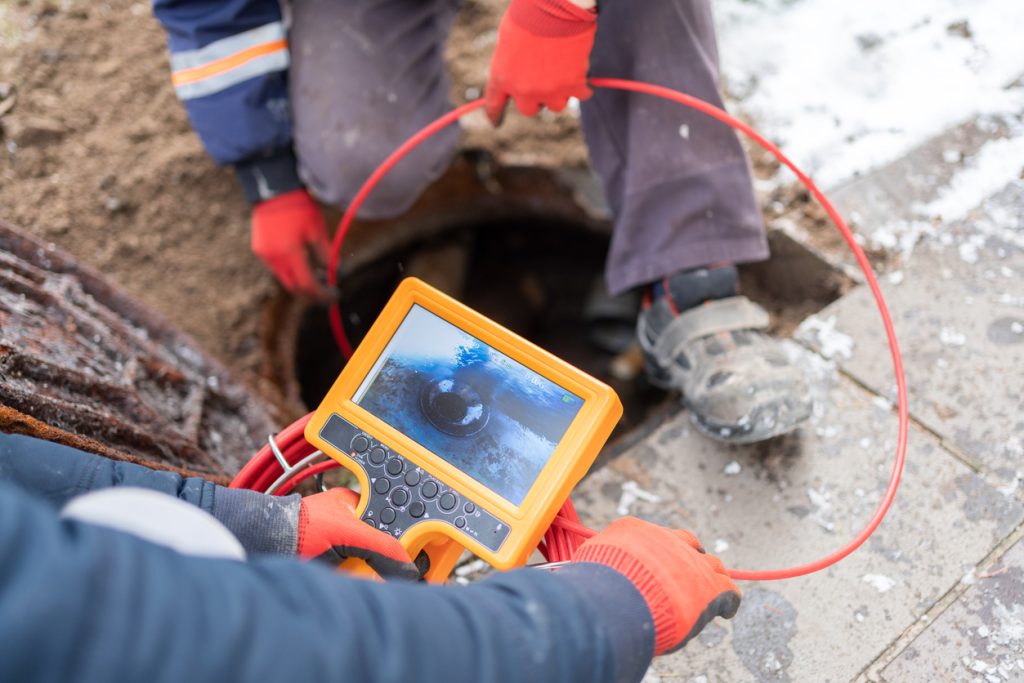
A pre-winter sewer camera inspection can save thousands in potential repair costs and help identify problems before they become emergencies.
5. Outdoor Hose Bib and Sillcock Damage
One of the most common and preventable winter plumbing issues involves outdoor faucets. When a hose remains attached during the winter, water can become trapped, freeze, and expand, causing the faucet or connecting pipes to crack internally.
Why This Problem Is So Preventable
Many homeowners forget this step during the seasonal transition, especially during years when the first freeze comes earlier than expected. Even frost-free faucets can fail if a hose is left connected.
How to Avoid It
- Disconnect all outside hoses before the first frost.
- Shut off interior valves that feed exterior taps (if your home has them).
- Install frost-free hose bibs if you live in colder areas like Winnipeg, Ottawa, or northern Ontario.
- Check early for drips or leaks, these can be signs that interior pipe damage has already begun.
Even a small crack can lead to significant water damage once temperatures rise.
Bonus Issue: Sump Pump Failure
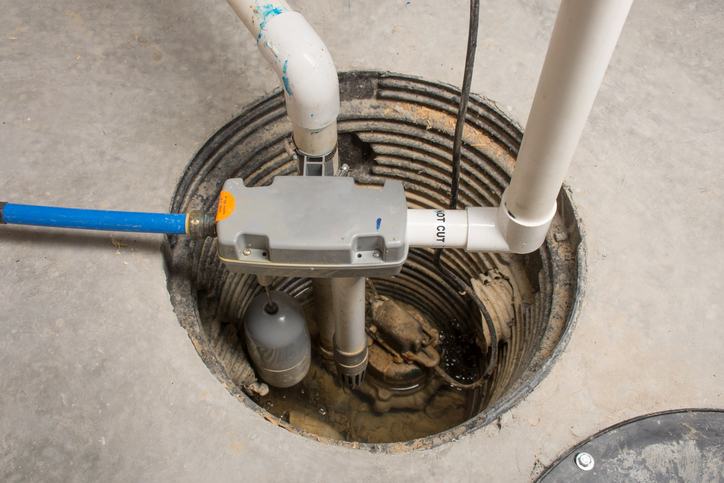
Homes in wetter regions, such as Victoria, Nanaimo, or St. Catharines, often depend on sump pumps to prevent basement flooding. Winter freezes, excess rainfall, and power outages can all compromise a sump pump’s ability to operate when it’s needed most.
How to Avoid It
- Test your sump pump regularly by pouring water into the pit to ensure it activates.
- Clear debris so water can flow freely.
- Install a battery backup system to keep it functioning during power outages.
- Check the discharge line to ensure it isn’t frozen or blocked by snow.
A functioning sump pump is essential for homes located near lakes, rivers, or areas with high groundwater levels.
Final Thoughts
Winter places unique stress on plumbing systems across Canada, from the milder but wet conditions of Vancouver Island communities like Victoria and Nanaimo, to the extreme cold of Winnipeg, to the freeze–thaw cycles common across Ottawa, Toronto, St. Catharines, and Hamilton. No matter where you live, understanding these seasonal risks can help reduce unexpected plumbing repairs and costly water damage.
By taking preventive steps, insulating pipes, maintaining your water heater, avoiding drain clogs, inspecting sewer lines, winterizing outdoor taps, and ensuring sump pumps are dependable, you can help your home withstand the harshest months of the year and save you from a costly plumbing emergency. Winter will always bring challenges, but proactive maintenance ensures your plumbing system is ready for whatever the Canadian climate delivers.
No Plumbing Issue Is Too Big For The Super Plumber!
In the unfortunate case that you do encounter a plumbing emergency at your home, The Super Plumber’s, team of licensed plumbers is ready to spring into action in cities across Canada including Victoria, Vancouver, Hamilton, Toronto and Ottawa. In addition to 24/7 emergency plumbing service, we specialize in installation and repair of drains, sewers, water lines, sump pumps, water heaters and water filtration systems. If you need a plumbing super hero contact The Super Plumber to save the day!