

 Book
Book Call
Call
Tankless vs Storage: Which Water Heater is Best for My Home?


Choosing a water heater may not be the most glamorous decision you’ll ever make for your household, but it is one of the most important. Few appliances are used as regularly, and the type of water heater you select will have a direct impact on your comfort, energy bills, and long-term costs.
The two main options for homeowners are tankless water heaters and traditional storage tank water heaters. Both systems deliver hot water, but they operate very differently and each comes with its own advantages and drawbacks.
This guide will break down how each type works, their pros and cons, key considerations like cost and energy efficiency, and tips for deciding which one best suits your home. By the end, you’ll have a clearer idea of whether a tankless or storage water heater is the right fit for your needs.
How Water Heaters Work: Tank vs. Tankless
Before diving into comparisons, let’s look at how the two systems function:
- Storage Tank Water Heater:
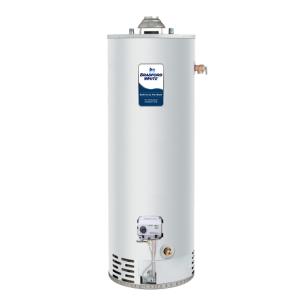
This is the traditional style most people are familiar with. It consists of a large insulated tank, typically holding 30 to 80 gallons of water. Cold water enters the tank, where it’s heated by gas or electricity and stored until you need it. When you turn on the hot tap, the preheated water flows out. - Tankless (On-Demand) Water Heater:
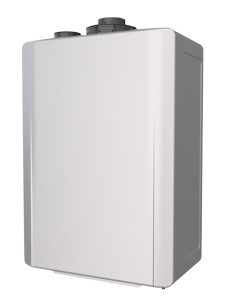
Instead of storing hot water, a tankless system heats water only when you need it. Cold water runs through a high-powered heating element—gas burners or electric coils—delivering hot water instantly as it passes through. Because there’s no storage, it doesn’t run out the way a tank can.
Both options get the job done, but how they do it influences energy use, costs, and performance in very different ways.
Storage Tank Vs. Tankless
| Aspects | Storage Tank
|
Tankless
|
| Cost | Lower Initial Cost: A traditional tank water heater is usually cheaper to purchase and install than a tankless system. | Higher Upfront Cost: Tankless units are pricier to buy, and installation can be more complex, especially if retrofitting an older home. |
| Energy Efficiency | Energy Loss: A tank constantly keeps water heated, even when you’re not using it. This “standby heat loss” can increase energy bills over time. | Energy Efficient: Tankless models eliminate standby heat loss. According to the U.S. Department of Energy, they can be up to 34% more efficient for households using less than 41 gallons of hot water daily. |
| Installation | Simple Installation: Because they’re common and straightforward, installation is less complex, which often means lower labour costs. | Installation Requirements: Tankless heaters often need upgraded gas lines or electrical systems, which adds to cost and complexity. |
| Space Requirement | Space Needed: Tanks take up significant floor space, which can be inconvenient in smaller homes.
|
Space Saving: These units are compact and wall-mounted, freeing up valuable floor space.
|
| Water Supply | Reliable Hot Water Supply: Tanks hold a large reserve of hot water, which means they can provide steady flow even during power outages (for gas models without electric ignition). | Limited Supply: Once the tank’s hot water is used up, you’ll need to wait for it to reheat. Larger households may run into shortages during peak times.
|
| Life Span | Shorter Lifespan: Storage water heaters typically last 8-12 years, which is shorter than most tankless units. | Longer Lifespan: Tankless systems can last 15–20 years with proper maintenance almost double the life of a typical storage tank. |
Factors to Consider When Choosing
So, how do you decide which is best for your home? Here are some important things to weigh:
1. Household Size and Usage
- A family of four or five that often showers, does laundry, and runs the dishwasher at the same time may be better suited to a storage tank, since it can deliver large volumes at once.
- Smaller households—or families who use hot water at staggered times—may benefit more from a tankless system.
2. Budget and Upfront Costs
If you need an immediate replacement and cost is a primary factor, a storage tank water heater is generally more affordable. But if you can manage the higher initial expense, a tankless unit may provide better value over its longer lifespan.
3. Space Constraints
In a smaller home, condo, or townhouse, a bulky storage tank may not be ideal. The compact design of a tankless heater can be a major advantage.
4. Energy Efficiency Goals
Environmentally conscious homeowners may lean toward tankless heaters, which use less energy overall and reduce wasted standby heating.
5. Long-Term Perspective
If you plan to stay in your home long-term, the higher upfront cost of a tankless heater could pay off over the years through reduced energy bills and fewer replacements.
Real-Life Scenarios
To make the decision clearer, here are a few practical examples:
- Scenario 1: Large Family with High Demand
A household of six with multiple bathrooms may find a storage tank heater better for meeting simultaneous needs. But installing more than one tankless unit could also solve this, though at a higher price. - Scenario 2: Empty Nesters or Couples
A smaller household that uses less hot water may see significant savings with a single tankless unit. - Scenario 3: Space-Conscious Condo Owner
In a smaller space where every square foot matters, the wall-mounted design of a tankless system can be the deciding factor.
Maintenance Considerations
Regardless of which option you choose, regular maintenance is essential for performance and longevity.
- Storage Tanks:
Require annual flushing to remove sediment, anode rod checks, and inspections for leaks or corrosion. - Tankless Units:
Need descaling to prevent mineral buildup, particularly in areas with hard water. Filters also require cleaning.
Proactive maintenance not only extends the life of the unit but also ensures maximum efficiency.
Final Thoughts: Which Is Best for Your Home?
There’s no one-size-fits-all answer to the tankless vs. storage water heater debate. The right choice depends on your budget, household size, long-term plans, and energy efficiency goals.
- Choose a storage tank water heater if you:
- Want a lower upfront cost
- Have a larger family with high, simultaneous hot water use
- Prefer a tried-and-true option
- Choose a tankless water heater if you:
- Value energy efficiency and lower long-term operating costs
- Want an endless supply of hot water
- Plan to stay in your home for many years
- Need to save space
Both systems have their merits. What matters most is selecting the one that aligns with your household’s unique needs. If you’re interested in discovering those needs, contact The Super Plumber or call in to your nearest office to book a free consultation today!