

 Book
Book Call
Call
How to Get Your Plumbing System Ready for Winter
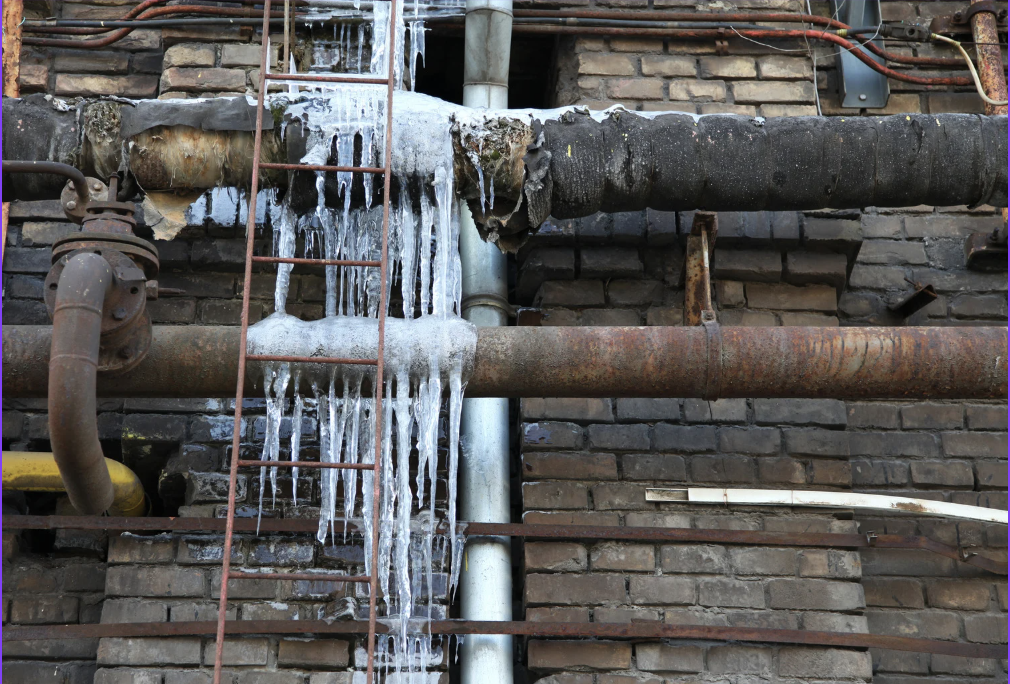

When the cold weather arrives, your home’s plumbing system is put to the test. Freezing temperatures can turn small weaknesses in your pipes, water heater, or drains into major issues. A burst pipe, for example, can release thousands of litres of water in just a few hours, causing expensive damage and disrupting your life. The good news is that with some preparation, you can reduce your risk and keep your plumbing running smoothly all winter long.
This guide covers practical steps every homeowner should take to winterize their plumbing system. Whether you live in a century-old home or a brand-new build, the principles are the same: prevent freezing, reduce strain, and ensure your system can handle the seasonal demands.
1. Insulate Exposed Pipes
One of the biggest winter plumbing hazards is frozen pipes. When water freezes inside a pipe, it expands and can cause cracks or bursts. Even a small split can lead to serious leaks once the ice thaws.
- Where to insulate: Focus on pipes located in unheated areas such as basements, crawl spaces, garages, and along exterior walls.
- Types of insulation: Foam pipe sleeves are widely available and easy to install. For extra protection, especially in very cold areas, use heat tape or thermostatically controlled heating cables.
- Pro tip: Pay attention to corners and joints, as these are more prone to freezing. Don’t leave gaps between insulation sections.
2. Seal Air Leaks Around the Home
Cold air seeping into your home makes your plumbing system more vulnerable. Even a small draft can cause localized freezing.
- Check around: Windows, doors, foundation cracks, sill plates, and vent openings.
- Use weatherstripping or caulk: These inexpensive materials help keep warm air in and cold air out.
- Look behind cabinets: Kitchen and bathroom sinks often sit against exterior walls. If you feel cold air under the sink, add insulation or seal gaps where plumbing enters the wall.
3. Drain and Shut Off Outdoor Water Lines
Outdoor faucets and hose bibs are among the first plumbing fixtures to freeze.
- Disconnect hoses: Drain and store them indoors. Leaving hoses attached can trap water and cause faucets to crack.
- Shut off the supply: Most homes have an indoor shut-off valve that controls water flow to outdoor spigots. Turn it off, then open the outside tap to let remaining water drain out.
- Install frost-free faucets: If you’re replacing outdoor taps, consider frost-proof models that minimize freezing risks.
4. Service Your Water Heater
Your water heater works hardest in the winter. Cold incoming water and greater household demand (longer showers, more laundry, extra dishes) mean the system needs to be in top shape.
- Flush the tank: Sediment buildup reduces efficiency and can cause overheating or tank damage.
- Check the anode rod: This sacrificial rod prevents corrosion inside the tank. If it’s heavily worn, replace it.
- Test the pressure relief valve: Lift the lever gently to make sure water flows out. If not, have it serviced.
- Consider insulation: Adding a water heater blanket reduces standby heat loss, especially if your tank is in a cold basement.
5. Keep Your Home Warm Enough
Even if you’re away for the weekend or on holiday, keep the heat on. Dropping the thermostat too low to save money can backfire if pipes freeze.
- Recommended setting: Don’t let your home fall below 12–15°C (55–60°F).
- Cabinet doors: On very cold nights, open doors under sinks (especially on exterior walls) to allow warm air to circulate.
- Interior doors: Keeping doors open improves airflow throughout the home.
6. Prepare for Extended Absences
If you’re leaving for more than a few days in the winter, take extra precautions.
- Shut off the main water supply: This eliminates the risk of leaks while you’re away.
- Drain the system: Open taps at the lowest and highest points to let water escape.
- Use antifreeze in traps: A small amount of non-toxic antifreeze in floor drains, sinks, and toilets can prevent freezing in unused fixtures.
7. Protect Sump Pumps and Drains
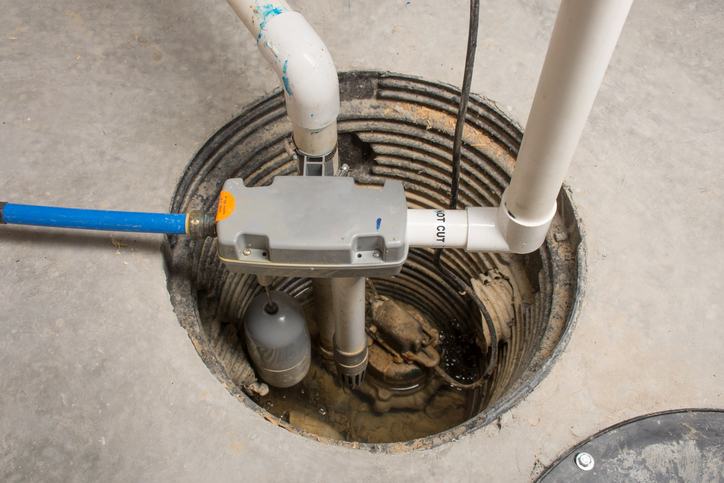
Homes with basements often rely on sump pumps to prevent flooding. Winter conditions can interfere with their operation.
- Check discharge lines: Make sure they’re clear of debris and extend far enough from the house to prevent water from refreezing near the foundation.
- Insulate exposed sections: Sump pump discharge lines running outside should be insulated to reduce the chance of freezing.
- Test the pump: Pour water into the pit to confirm the pump activates and discharges correctly.
8. Know How to Handle Frozen Pipes
Despite preparation, pipes can still freeze in extreme conditions. Quick action can prevent major damage.
- Signs of a frozen pipe: Reduced or no water flow, frost on the pipe surface, or unusual odours coming from drains.
- Thawing safely:
- Open nearby faucets to relieve pressure.
- Use a hair dryer, heat lamp, or portable heater directed at the frozen section.
- Never use an open flame, as this is a fire hazard.
- Call a plumber: If you can’t locate or safely thaw the frozen section, get professional help immediately.
9. Inspect Your Septic System
If your home uses a septic system, winter brings unique challenges.
- Pump before winter (if needed): It’s easier to service tanks in the fall before the ground freezes.
- Avoid compacting the soil: Snow acts as insulation, so avoid driving or ploughing heavily over the drain field.
- Run water regularly: Long stretches without water flow can allow pipes to freeze.
10. Upgrade Old Fixtures and Appliances
Winter is a great time to assess whether your plumbing system is keeping up with your needs.
- Old toilets, faucets, and showerheads: Replacing them with water-efficient models saves water and reduces strain on your system.
- Leaky fixtures: Small drips can freeze, worsen, and waste hundreds of litres of water each month.
- Appliances: If your dishwasher, washing machine, or fridge water line is outdated, check for worn hoses or consider upgrading.
11. Test Your Shut-Off Valves
Being able to turn off water quickly can save you from a disaster.
- Main shut-off: Locate it and test it to make sure it turns smoothly. Lubricate or replace if it’s stiff.
- Fixture valves: Check under sinks and behind toilets. If they’re corroded or stuck, replace them before winter.
12. Monitor Water Pressure
Winter can put additional strain on municipal and well systems. Sudden changes in water pressure may indicate frozen pipes, leaks, or valve issues.
- Install a pressure gauge: Normal pressure is usually between 40–60 psi.
- Watch for drops: A sudden decrease may signal a hidden issue.
- Avoid extremes: High pressure stresses pipes; low pressure could mean ice buildup.
13. Use Smart Technology for Peace of Mind
Modern tools can help you keep tabs on your plumbing even when you’re away.
- Smart leak detectors: Placed near water heaters, sump pumps, or under sinks, they alert you to leaks via your smartphone.
- Smart thermostats: Maintain consistent indoor temperatures and prevent pipes from freezing.
- Automatic shut-off valves: These devices can cut water supply if a major leak is detected.
14. Stay Ahead with Regular Maintenance
Winterizing isn’t just about one-time tasks. Ongoing maintenance helps your plumbing system withstand harsh conditions.
- Schedule seasonal checkups: Annual inspections of your water heater, sump pump, and fixtures reduce unexpected failures.
- Address small issues promptly: Fixing minor leaks or drips before winter prevents bigger headaches.
- Keep emergency contacts handy: Have a plumber’s number available in case of urgent issues.
Final Thoughts
Winter weather is no joke, and your plumbing system feels it just as much as you do. By insulating exposed pipes, servicing your water heater, sealing leaks, and preparing for absences, you protect both your home and your wallet. Most of these steps can be done by homeowners, but don’t hesitate to call in professional help for tasks like flushing water heaters, inspecting sump pumps, or thawing frozen pipes.
If you’d like expert support getting your plumbing system ready for winter, The Super Plumber is always here to help with inspections, maintenance, and emergency plumbing services.