

 Book
Book Call
Call
How to Ensure Your Sump Pump Is Still Running Smoothly After the Winter
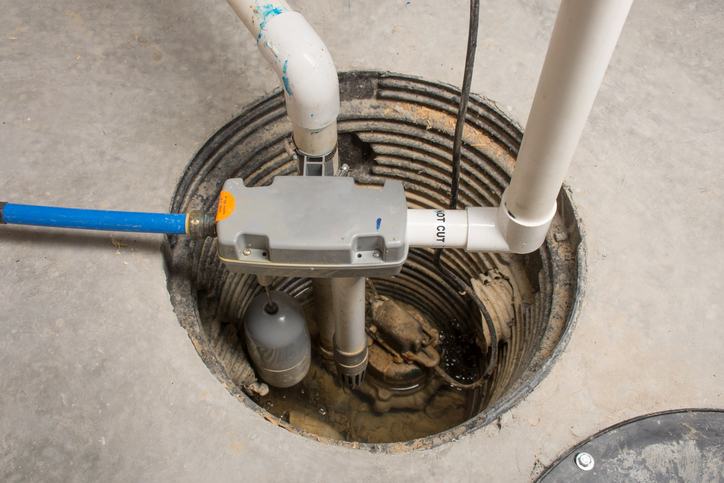

At The Super Plumber, we provide sump pump installations and repairs in locations across Canada including Victoria, Vancouver, Toronto, Hamilton, Ottawa, Guelph, St. Catharines, and Winnipeg. One of the most common problems we encounter each spring is sump pump failure following winter. Prolonged cold temperatures, frozen discharge lines, changing groundwater levels, and extended periods of inactivity can all negatively affect sump pump performance.
At The Super Plumber we strive to help homeowners understand how winter conditions impact sump pump systems and what steps should be taken in early spring to ensure reliable operation. Whether a sump pump ran frequently during winter or remained mostly inactive, post-winter inspection and maintenance are essential to reducing the risk of basement flooding and water damage.
Why Can Winter Be Hard on Sump Pumps?
In most parts of Canada winter creates unique operating conditions that place stress on sump pump systems. Even when a sump pump runs less frequently, hidden problems can develop while temperatures remain below freezing.
The most common winter-related factors include:
- Freezing and thawing cycles that stress discharge piping
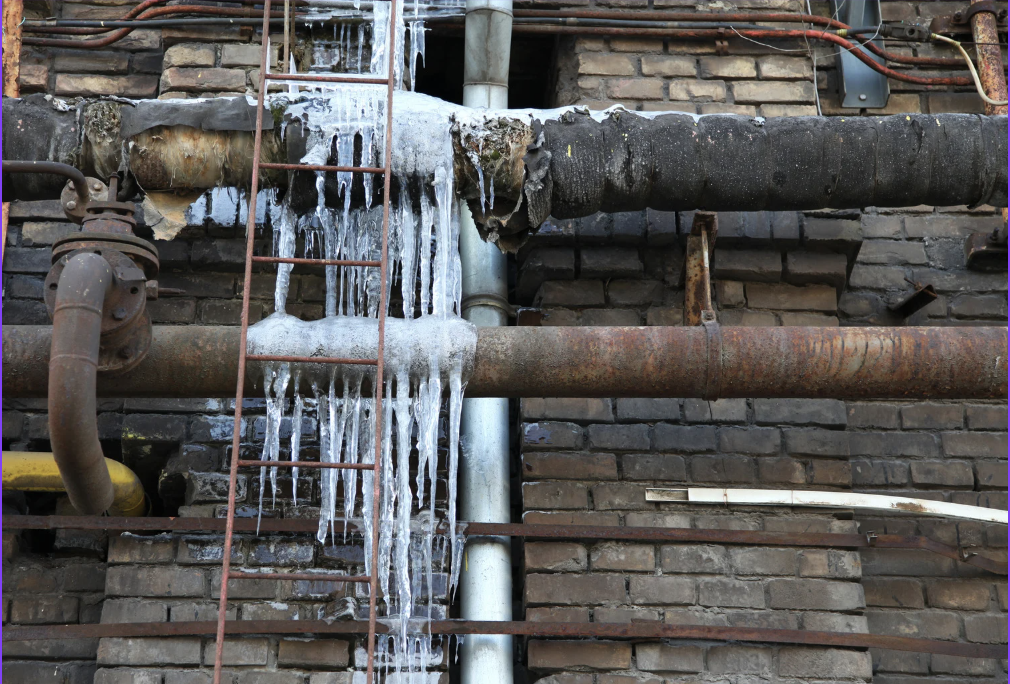
- Ice buildup that restricts or blocks water flow
- Reduced pump activity leading to seized or stuck components
- Power outages affecting electrical connections or backup systems
- Sediment settling in the sump pit during long periods of inactivity
As temperatures rise, annual snowmelt can rapidly increase groundwater levels around the foundation, placing sudden demand on a sump pump that may not have been tested since winter began.
Steps To Take When Checking if Your Sump Pump is Working Properly
Step 1: Inspect the Sump Pit and Pump Housing
Begin with a thorough visual inspection of the sump pit and pump.
Remove the pit cover and check for:
- Dirt, sand, or gravel buildup inside the pit
- Rust, corrosion, or mineral deposits on the pump casing
- Standing water that appears higher than normal
- A pump that has shifted, tilted, or moved out of position
Debris accumulation is especially common after winter and can restrict water intake or interfere with moving parts. A sump pump that is not level may also fail to activate or shut off correctly.
Step 2: Test the Sump Pump After Winter
Testing confirms that the sump pump can activate and shut off properly under real operating conditions.
How to Test Your Sump Pump?
- Slowly pour water into the sump pit
- Observe the float rising as the water level increases
- Confirm the pump turns on automatically
- Ensure water is discharged quickly and efficiently
- Verify the pump shuts off once the water level drops
If the pump hesitates, runs continuously, or does not shut off, this may indicate mechanical, electrical, or float-related issues that require further inspection.
Step 3: Examine the Discharge Line for Freeze Damage
The discharge line is one of the most vulnerable components of a sump pump system during winter.
Common Post-Winter Discharge Issues
- Frozen blockages that prevent proper drainage
- Cracked or split PVC piping caused by ice expansion
- Disconnected or shifted joints
- Exterior discharge points buried by snow, ice, or debris
Inspect the visible length of the discharge line and confirm that water exits freely several feet away from the foundation. A blocked discharge line forces the sump pump to work harder, increasing wear and significantly shortening its lifespan.
Step 4: Check the Float Switch Functionality
The float switch controls when the sump pump turns on and off. During winter, long periods without operation can cause float switches to stick or bind.
Signs of Float Switch Problems
- The sump pump does not turn on
- The pump runs continuously without shutting off
- The float appears tangled, jammed, or obstructed
Ensure the float moves freely and does not rub against the pit wall, discharge pipe, or electrical wiring. Float switch failure is one of the most common causes of sump pump malfunction in early spring.
Step 5: Inspect the Check Valve
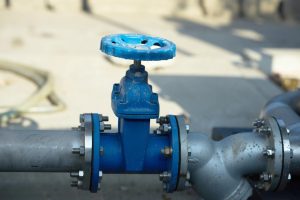
The check valve prevents discharged water from flowing back into the sump pit after the pump shuts off.
A faulty or failing check valve can lead to:
- Repeated pump cycling
- Increased strain on the motor
- Excess noise, vibration, or water hammer
Listen for loud banging sounds when the pump turns off, which often indicates a problem with the check valve.
Step 6: Test Backup Sump Pump Systems
Backup sump pump systems provide protection during power outages and heavy spring storms.
Battery Backup Systems
If a battery backup is installed:
- Check the battery age, as most last 3–5 years
- Inspect terminals for corrosion or loose connections
- Test the backup by unplugging the primary pump
A battery that lasted through winter may still have reduced capacity.
Water-Powered Backup Pumps
For water-powered systems:
- Check for mineral buildup or scale
- Confirm valves open and close properly
- Ensure sufficient water pressure
Backup systems should always be tested after winter, even if they were not used.
Step 7: Clean the Sump Pump and Pit
Cleaning the sump pump and pit improves efficiency and reduces mechanical stress.
Basic Cleaning Steps
- Disconnect power to the pump
- Remove the pump from the pit
- Rinse off sediment and debris
- Clear the intake screen
- Clean the sump pit walls and bottom
Sediment buildup after winter can restrict water flow, cause overheating, or damage the impeller if left unaddressed.
Understanding Proper Sump Pump Installation
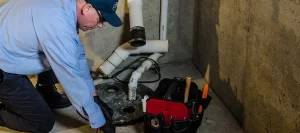
Many sump pump problems stem from improper installation rather than age or wear.
Key installation factors include:
- Proper pump sizing based on water volume
- Adequate sump pit depth and diameter
- Secure and insulated discharge piping
- Correct check valve placement
- A dedicated electrical power supply
An improperly installed sump pump may operate during dry conditions but struggle during spring thaw or heavy rainfall.
Common Sump Pump Problems After Winter
Pump Runs Continuously
Often caused by:
- A stuck or misaligned float switch
- High groundwater levels
- A failed check valve
- Discharge line restrictions
Pump Fails to Turn On
Common causes include:
- Electrical or power supply issues
- A burnt-out motor
- Float switch failure
- Wiring or control problems
Unusual Noises or Vibrations
These may indicate:
- Debris lodged in the impeller
- Worn bearings
- Loose or unsupported discharge piping
Addressing these issues early helps prevent sudden sump pump failure.
When Sump Pump Repair Is Necessary
While basic maintenance can be handled by homeowners, some problems require professional repair.
Repair may be necessary if:
- The pump fails multiple tests
- The motor overheats or emits burning odours
- Electrical components show signs of damage
- The discharge line is frozen underground
- The system is approaching the end of its service life
Proper diagnosis helps determine whether repair or replacement is the most effective solution.
When to Consider Sump Pump Replacement
Most sump pumps have a lifespan of 7 to 10 years, depending on usage and water conditions.
Replacement may be appropriate if:
- Repairs are becoming frequent
- The pump cannot keep up with spring water volume
- Replacement parts are unavailable
- The system lacks a dependable backup
Modern sump pump systems are typically more reliable and energy efficient.
Sump Pump Preventative Maintenance Checklist

To reduce the risk of future winter-related sump pump issues:
- Test the sump pump every few months
- Keep the sump pit covered to limit debris
- Insulate discharge lines in unheated spaces
- Replace backup batteries proactively
- Schedule routine system inspections
Preventative maintenance is one of the most effective ways to reduce the risk of basement flooding.
Final Thoughts
Winter can quietly affect sump pump systems in ways that are not immediately visible. Performing inspections, testing, and maintenance in early spring helps ensure the system is ready for snowmelt and seasonal rainfall.
A properly functioning sump pump protects the home’s foundation, minimizes the risk of water damage, and provides peace of mind throughout the wetter months of the year.
Sump pumps can be complex systems to conduct a thorough inspection on and perform repairs where required. Whether you are a DIY-er or someone with limited knowledge of plumbing and sump pump systems, we typically recommend consulting a licensed sump pump plumber in your local area to complete the work.
Having an Issue With Your Sump Pump? Call The Super Plumber!
At The Super Plumber, our team of licensed sump pump specialists are ready to spring into action in cities across Canada including Victoria, Vancouver, Toronto, Hamilton, Ottawa, Guelph, St. Catharines, Winnipeg and more. With over 1000 5 star customer reviews, you can trust The Super Plumber to provide honest, expert advice, up front pricing and 24/7 sump pump services. Whether you require an urgent sump pump repair, replacement, or are just looking for a checkup after the winter contact the plumbing super heroes at The Super Plumber to save the day!