

 Book
Book Call
Call
Hard Water Woes? Here’s How a Water Softener Can Help
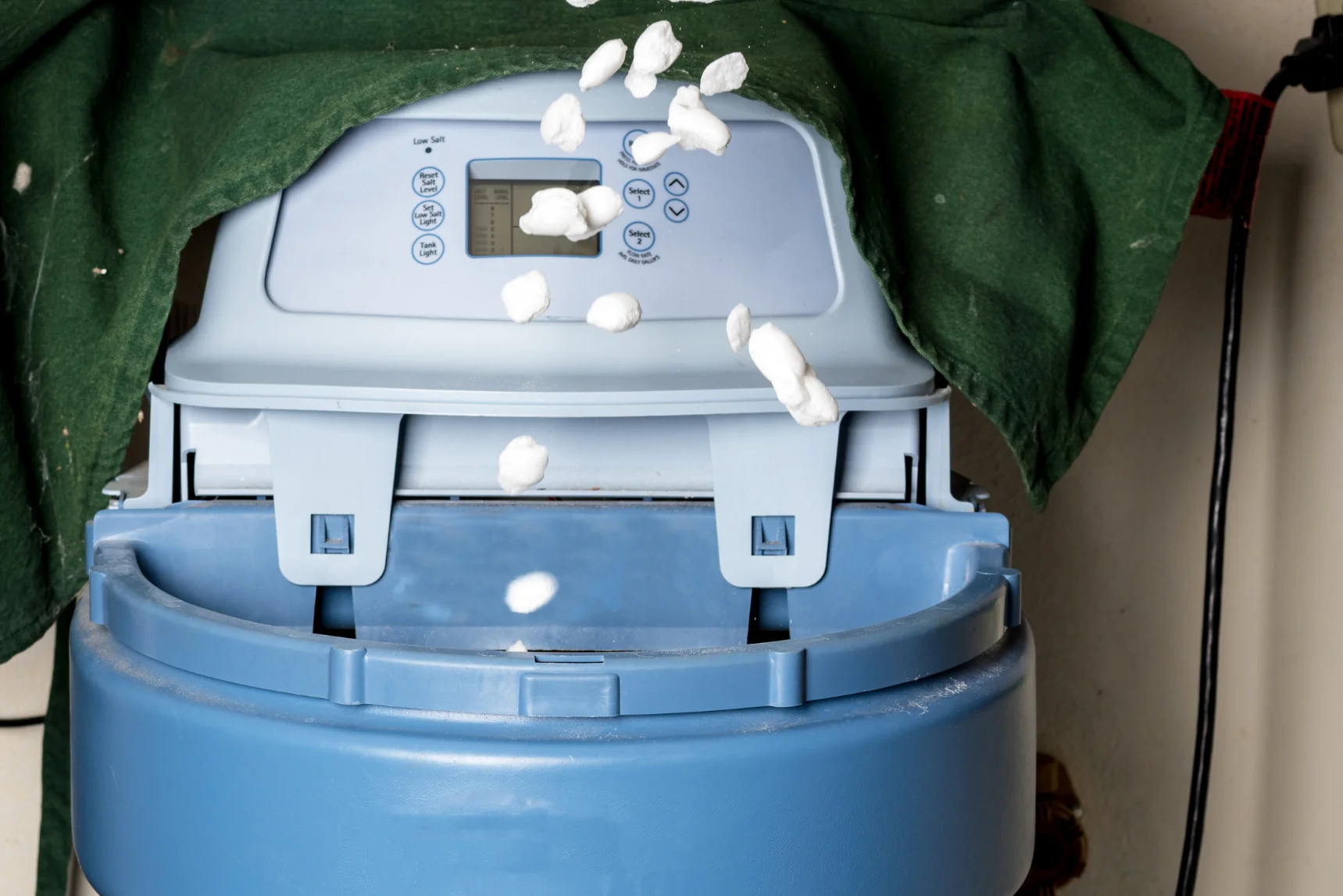

If you live in a Canadian city like Toronto, Winnipeg, Ottawa, Victoria, Halifax, Hamilton, Vancouver or Montreal there’s a good chance you’ve heard the term “hard water” tossed around—maybe by a plumber, a neighbour, or when shopping for new appliances. But what exactly is hard water, and more importantly, why should you care?
At The Super Plumber, we often get questions from homeowners wondering whether installing a water softener is worth it. While we’re always happy to help customers on a case-by-case basis, the truth is that many homes across Canada struggle with hard water—and a softening system can make a big difference.
What Is Hard Water, Anyway?
Hard water simply means that your water contains high levels of minerals—mainly calcium and magnesium. These minerals aren’t harmful to your health, but they can cause all sorts of annoying (and costly) issues around your home.
In Canada, water hardness can vary dramatically depending on where you live. For example:
- Regina and Saskatoon are known for very hard water.
- Toronto, Winnipeg, and Ottawa also have moderately hard water.
- Vancouver, Halifax, and Victoria tend to have softer water, but certain neighbourhoods may still face issues.
So even if you’re not noticing problems yet, it’s good to understand what hard water is doing behind the scenes.
1. Protect Your Plumbing System
One of the biggest downsides of hard water is scale buildup. When mineral-rich water flows through your plumbing, it leaves behind deposits that cling to the inside of your pipes. Over time, this buildup reduces water flow, increases pressure, and can lead to clogs, corrosion, or even leaks.
A water softener removes those hard minerals before they reach your pipes, helping to:
- Extend the life of your plumbing.
- Reduce the risk of major repairs.
- Keep your water pressure consistent.
This is especially important in older homes in cities like Montreal or Toronto, where plumbing systems may already be vulnerable to wear and tear.
2. Help Your Water Heater Work More Efficiently
Did you know hard water can shorten the life of your water heater? Minerals settle at the bottom of the tank or wrap around heating elements, forcing the unit to work harder and use more energy to do its job.
In colder cities like Ottawa or Winnipeg, where water heaters work extra hard through long winters, this can be a major efficiency issue.
By softening your water, you reduce scale buildup, which can:
- Improve your water heater’s energy efficiency.
- Cut down on heating costs.
- Extend the life of the appliance—sometimes by several years.
3. Softer Water Means Cleaner Laundry
If your clothes are looking faded or feel stiff after washing, hard water could be the culprit. The minerals in hard water react with detergent, making it less effective and leaving behind residue on your fabrics.
A water softener helps your laundry in several ways:
- Colours stay brighter, whites stay whiter.
- Fabrics feel softer and more comfortable.
- You use less detergent (which means savings over time).
This can make a noticeable difference, especially in urban areas like Hamilton, Toronto, or Calgary, where water quality can fluctuate.
4. Spot-Free Dishes and Cleaner Kitchens
If you’re constantly dealing with filmy glassware, streaky cutlery, or cloudy dishes after running the dishwasher, hard water is likely to blame. Those leftover minerals can dry on your dishes, leaving behind frustrating spots.
Installing a water softener helps:
- Prevent mineral stains and buildup.
- Reduce soap scum on sinks and faucets.
- Make your dishwasher more effective with less detergent.
This is a game-changer for home chefs in Vancouver or Victoria, where kitchens often double as entertainment spaces and people love their clean presentation.
5. Smoother Skin and Healthier Hair
Hard water doesn’t just affect your appliances and fixtures—it affects your body, too. The minerals can strip away your skin’s natural oils, leaving it feeling dry or itchy. If you’ve ever dealt with unexplained dryness, frizzy hair, or irritation, hard water might be to blame.
Water softeners help:
- Keep skin feeling smoother and less irritated.
- Make hair more manageable and less brittle.
- Reduce flare-ups of skin conditions like eczema.
This benefit is particularly noticeable in wintertime or in dry inland cities like Winnipeg or Calgary, where hard water plus dry air is a rough combination.
6. Less Soap, Better Cleaning
Hard water reduces the effectiveness of soaps, shampoos, and cleaning products. Why? Because the minerals react with the soap, forming a residue (soap scum) instead of a rich, cleansing lather.
With softened water:
- You need less shampoo, body wash, and cleaning product.
- Soap rinses off more easily, leaving less residue.
- You save money over time on toiletries and household cleaners.
This is a nice long-term benefit for budget-conscious households in any city—from Halifax to Hamilton.
7. Reduce Appliance Wear and Tear
Hard water is rough on appliances that use water—dishwashers, washing machines, coffee makers, and even kettles. Mineral buildup can affect sensors, clog valves, and lead to expensive repairs or replacements.
By using a water softener, you can:
- Prolong the lifespan of your appliances.
- Keep your machines running efficiently.
- Avoid unnecessary breakdowns.
If you’ve ever had to replace a high-efficiency washer in Montreal or a luxury espresso machine in Vancouver, you know how quickly these costs add up.
8. Protect Your Home’s Value
Hard water damage isn’t always visible, but over time it can harm your fixtures, floors, and surfaces. Stained sinks, corroded faucets, and mineral-riddled showerheads don’t just affect function—they affect how your home looks and feels.
Whether you’re in Toronto, Halifax, or Ottawa, a home that runs on soft water is easier to maintain, more attractive to future buyers, and less likely to need costly cosmetic repairs.
How Do You Know If You Have Hard Water?
Here are some common signs to watch for:
- Chalky white buildup on faucets or shower doors
- Soap that doesn’t lather well
- Dry skin or limp hair
- Cloudy dishes or glassware
- Scale buildup in appliances or kettles
If you’re seeing two or more of these signs, it’s worth testing your water hardness. Many hardware stores sell simple test kits, or you can ask your local plumber for a professional assessment.
Final Word: Is a Water Softener Right for You?
A water softener isn’t just a luxury—it’s a smart, long-term investment in the health and function of your home. From protecting your pipes to improving your morning shower, the benefits touch nearly every part of daily life.
At The Super Plumber, we believe in helping Canadian homeowners make informed choices. While we do install and service water softeners, this article isn’t a sales pitch—it’s a reminder that a small change can make a big difference, especially if you’re dealing with hard water every single day.
If you’re living in cities like Ottawa, Hamilton, Victoria, Vancouver, Halifax, Montreal, Toronto, or Winnipeg, and you’re tired of battling the effects of hard water, it may be time to consider softening things up.
Got questions? Reach out to a licensed plumber in your area to explore whether a water softener is the right fit for your home, budget, and lifestyle.
Your pipes, appliances, and skin will thank you.